
Ceremonial matcha, explained (and how we make our latte)
The word on the tin is not regulated, so here is what it usually means, and why we use it.
Chai and teaBy the team at Belsize Priory Cafe4 min read
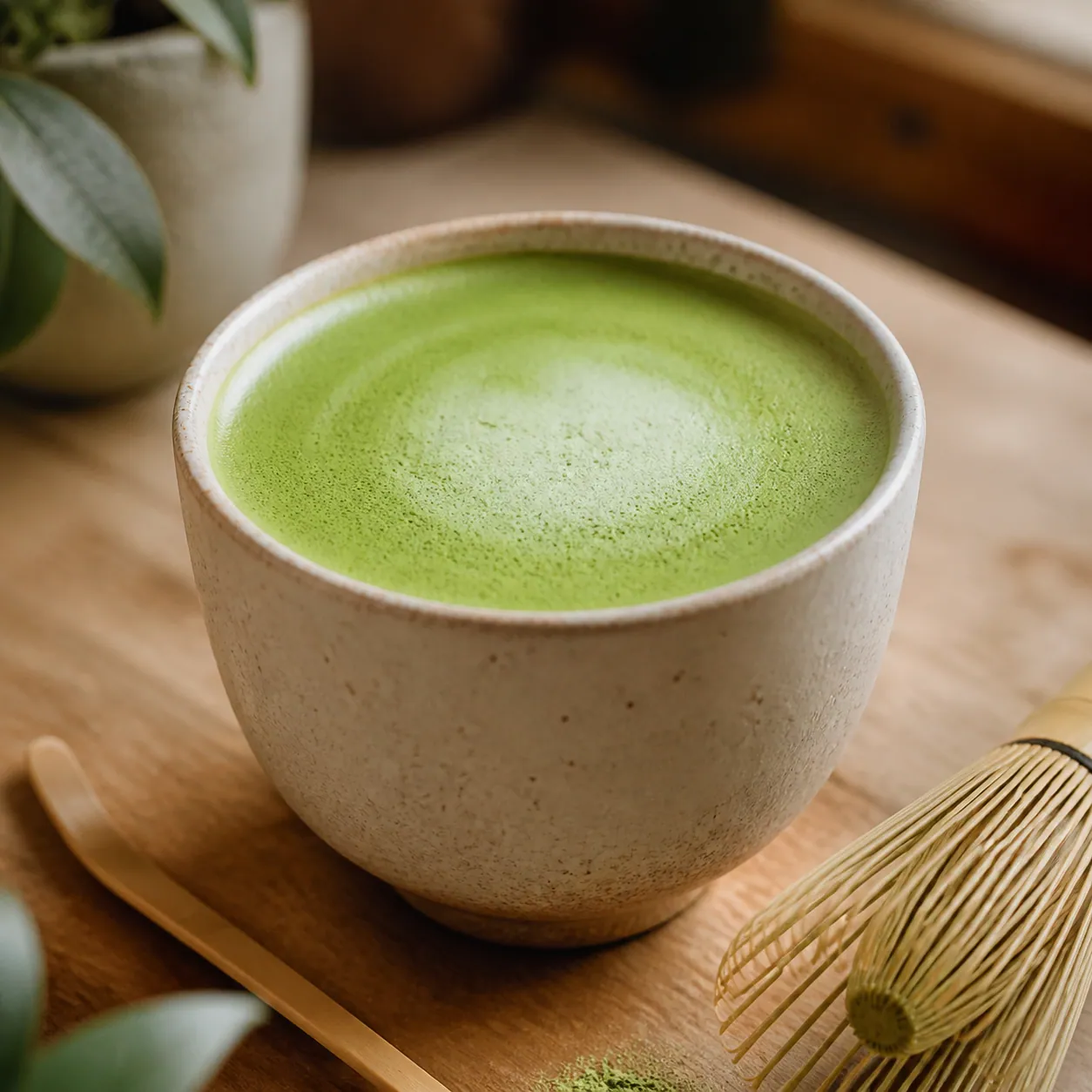
Our matcha latte is made with ceremonial grade matcha. You will see those two words on a lot of tins, and they are worth explaining, because nobody actually polices them.
What matcha is
Matcha is green tea, but not as you know it. The tea plants are shaded for the last few weeks before harvest, which makes the leaves greener and sweeter. The leaves are steamed, dried, stripped of their stems and veins, and then ground into a fine powder. You are not steeping the leaf and throwing it away. You whisk the whole thing into water or milk and drink it.
Ceremonial or culinary?
There is no official grading system, so “ceremonial” is a description, not a certificate. In practice it usually means:
- Leaves from the first, youngest harvest of the year
- Slow stone-grinding into a very fine powder
- A vivid green colour rather than a dull, olive one
- A smooth, slightly sweet, grassy taste with very little bitterness
Culinary grade matcha comes from later harvests. It is more bitter and more astringent, which is fine in a cake or a smoothie where other flavours cover it, and less fine in a latte where the matcha is the main event. That is why we use the good stuff.
What about caffeine?
A matcha latte does have caffeine. How much depends on how much powder goes in, but a typical cup has less than a double espresso. Matcha also contains L-theanine, an amino acid found in tea, and a lot of people say the lift feels steadier than coffee, without the mid-morning crash. If you are sensitive to caffeine, treat it like a coffee rather than a herbal tea.
How to order it
- Hot or iced. Iced is the one people photograph. Hot is the one people come back for in winter.
- Any milk. Almond, oat, coconut or soya at no extra charge. Oat and coconut both suit matcha well.
- Regular or large. Go large if it is standing in for lunch.
Matcha is on the matcha and chai board on our menu, next to our three chais. It also counts as your weekly drink if you are in the Priory Coffee Club.
Quick answers
There is no official standard. It generally means matcha from young, early-harvest leaves, stone-ground to a fine, bright green powder that tastes smooth enough to drink whisked with water alone.
It depends on how much powder is used, but a typical matcha latte has less caffeine than a double espresso. Matcha also contains L-theanine, which many people find makes the lift feel steadier.
Yes. Our matcha latte comes hot or iced, in a regular or a large.
Yes. Almond, oat, coconut and soya milk are all available at no extra charge.
Keep reading
All articles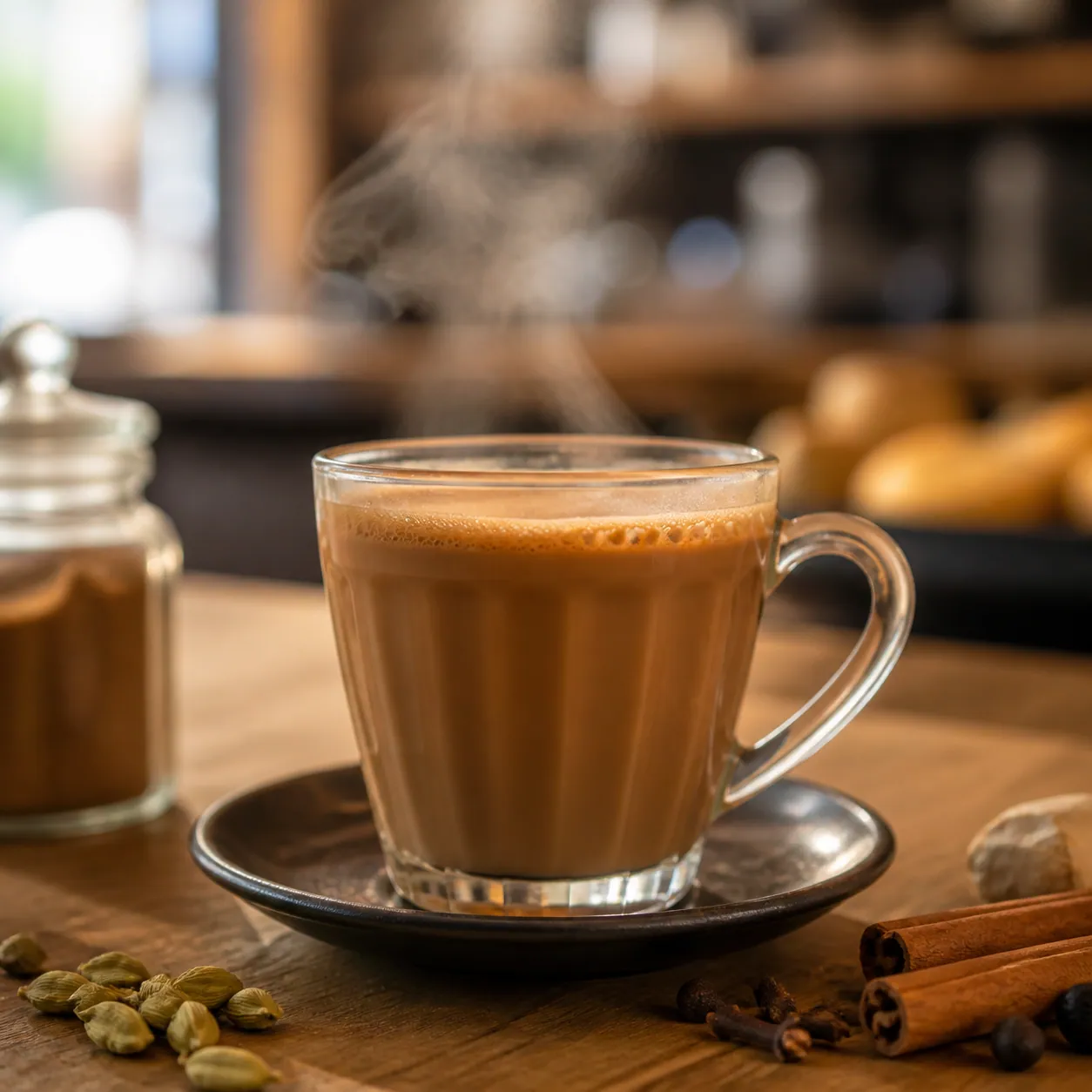
Chai and tea5 min read
Karak, Kashmiri and masala chai: what's the difference?
Three teas that share a name and almost nothing else. Here is how each one is made, and how to choose.
Neighbourhood3 min read
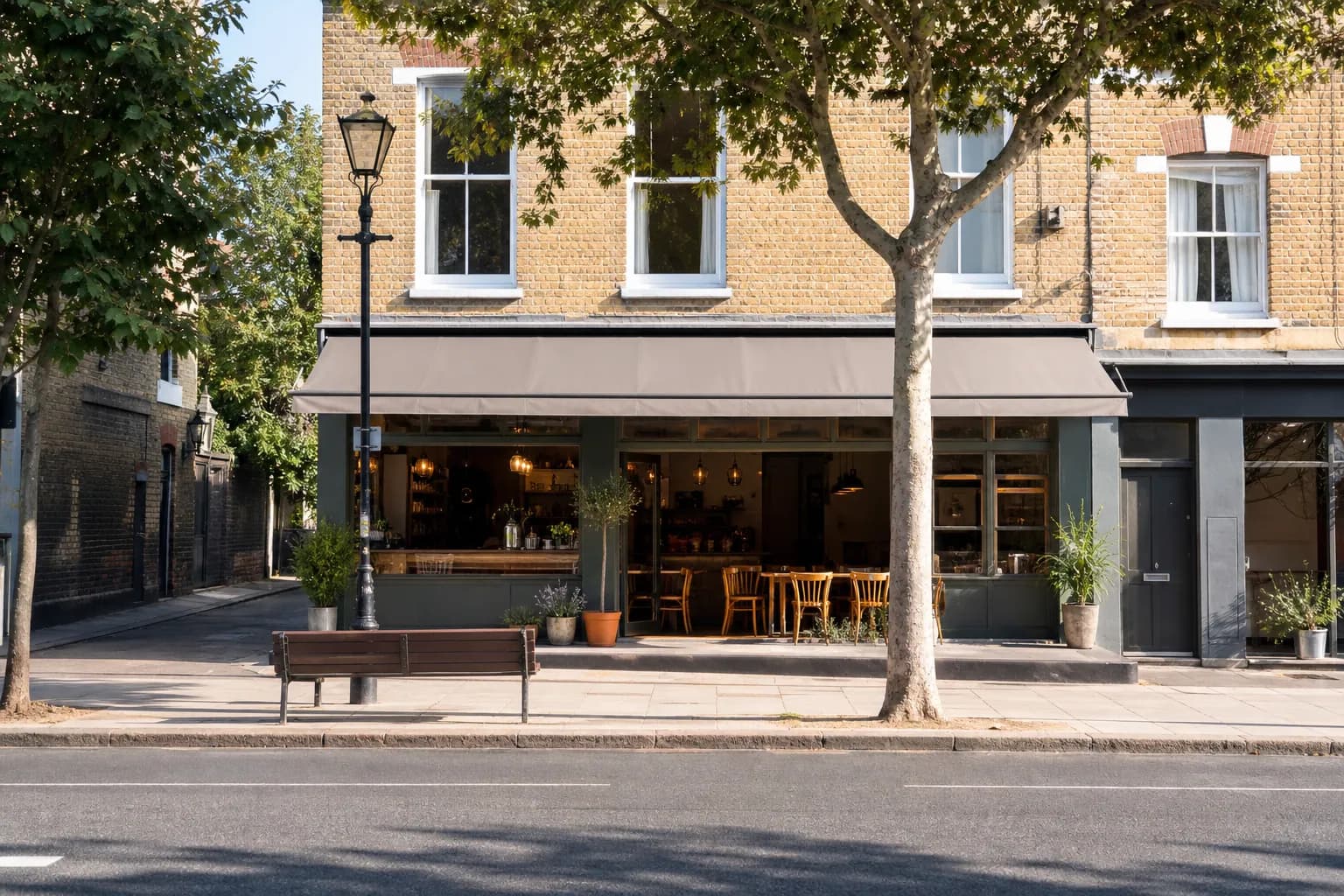
Coffee near Kilburn Park and South Hampstead stations
A few minutes from either station, on Belsize Road. Directions, hours and what to order when you get here.
Coffee4 min read
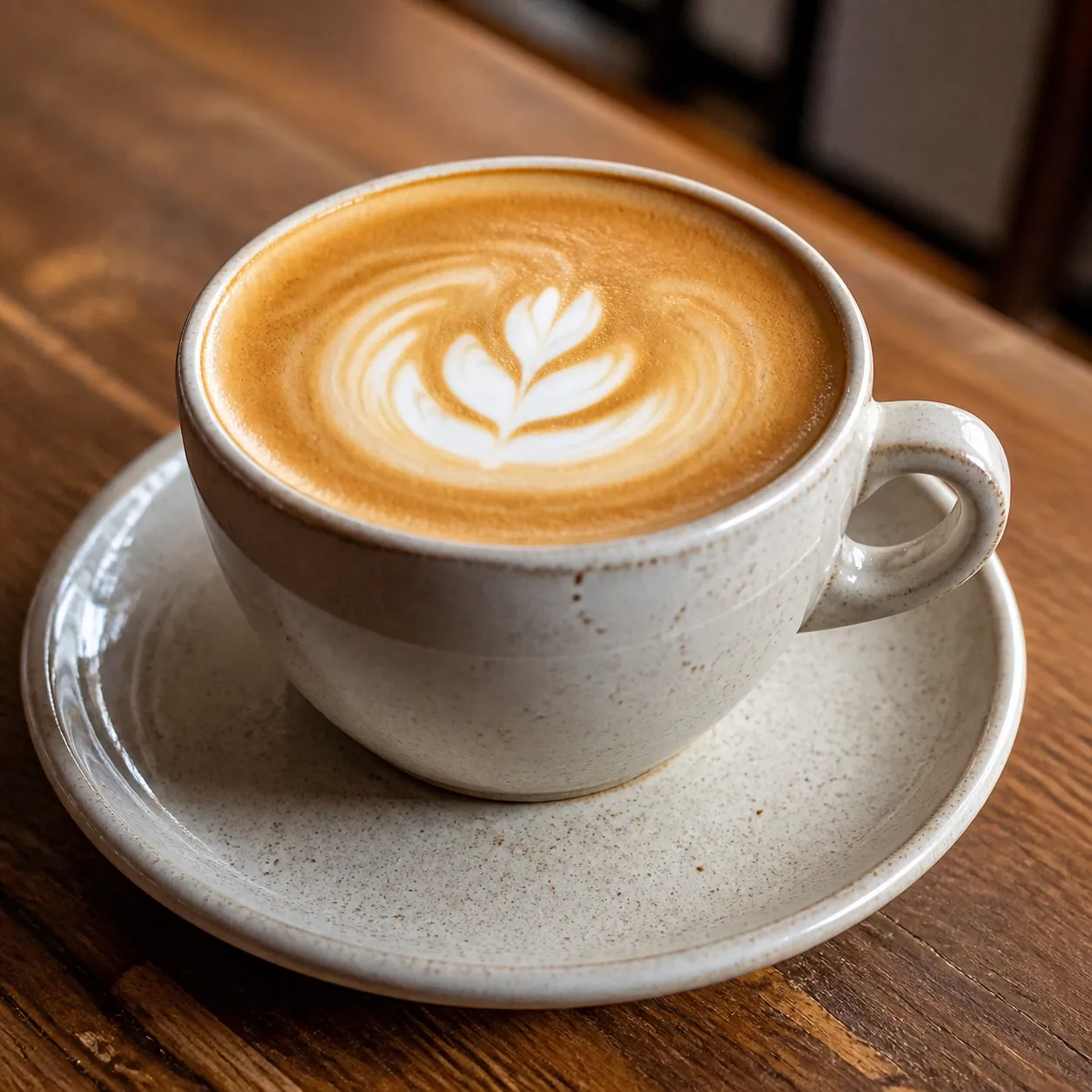
Flat white vs cappuccino vs latte: the real difference
They use the same two ingredients. The difference is in the ratio, the texture and how much coffee you taste.